

Fragment Length Analysis
A versatile tool with numerous applications in both research and clinical settings.
DNA Fragment Length Analysis (FLA) is a versatile tool with numerous applications in both research and clinical settings, contributing to advancements in genetics, diagnostics, and personalized medicine.

Service Description
- Sample staging using formamide and LIZ size standards ladder
- Data analysis: BASIC Peak Profiles from GeneMapper 5.0, GenePrint 10 or 24 Analysis
- Deliverables include: .fsa files (trace files), .txt files (text files), and .jpg files (peaks)
Service Options
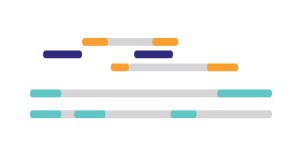
Short and Long Read NGS

Gel Electrophoresis

Capillary Electrophoresis (CE)
FLA Applications
FLA can be used to determine the genetic variation within populations. This is particularly useful in association studies to identify genetic factors underlying traits or diseases.
Detection of insertions, deletions, and other mutations in DNA sequences. Changes in fragment lengths can indicate the presence of mutations, providing insights into the genetic basis of diseases. For example, expansions of trinucleotide repeats in disorders like Huntington’s disease or Fragile X syndrome can be detected with FLA.
By analyzing the lengths of specific DNA regions such as variable number tandem repeats (VNTRs) or short tandem repeats (STRs), different strains of bacteria or viruses can be distinguished.
DNA FLA is a critical tool in forensic science for identifying individuals and establishing relationships between samples. Techniques such as short tandem repeat (STR) analysis are commonly used in forensic DNA profiling and in unique identification of established cell lines.
FLA is employed to study genetic variations that influence individual responses to medications. This information can guide personalized medicine approaches, allowing healthcare providers to tailor treatments based on a patient’s genetic profile.